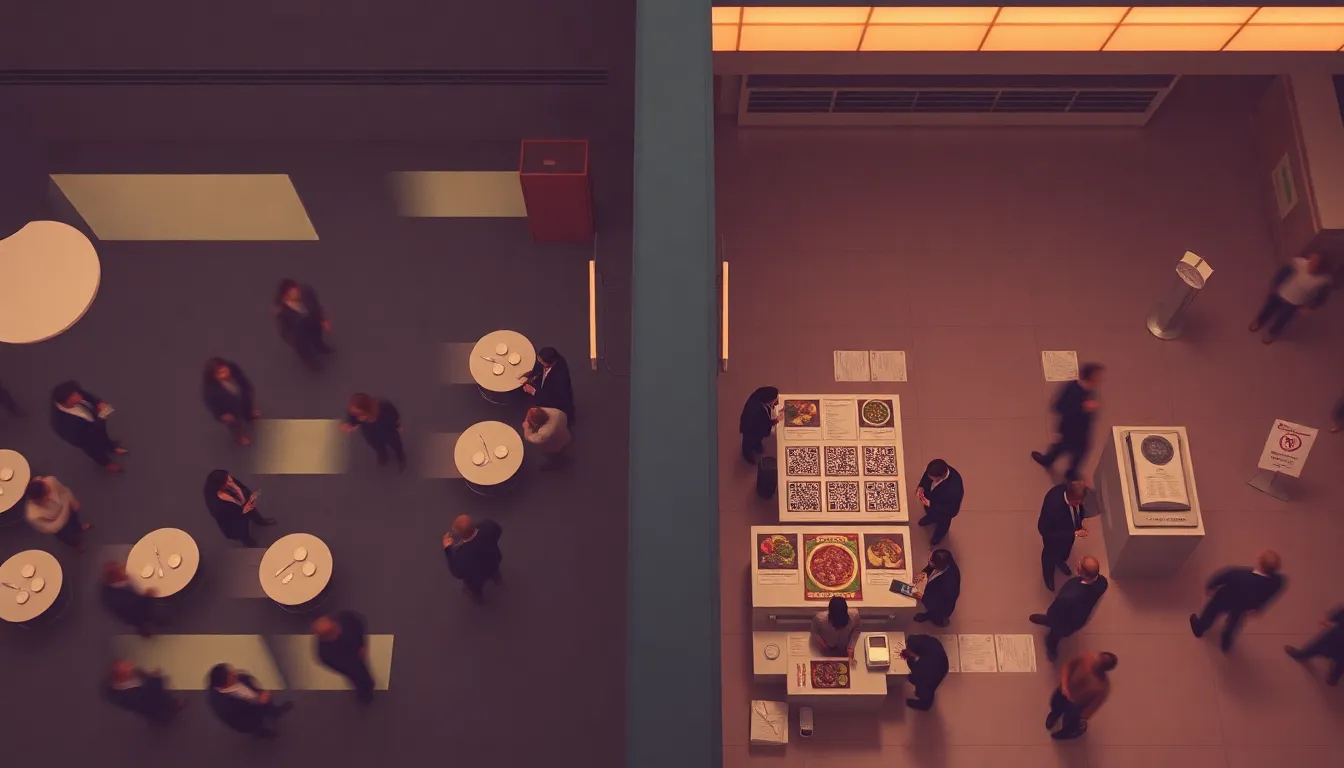
When you're orchestrating a multi-track conference with hundreds—or thousands—of attendees moving between parallel sessions, catering becomes far more than just ordering enough sandwiches. It's a high-stakes logistical challenge where timing can make or break the attendee experience. Miss your service window by fifteen minutes, and you'll have frustrated attendees standing in buffet lines when they should be learning in breakout rooms. Get it right, and you create seamless transitions that keep engagement high and energy levels steady throughout the day.
The stakes have never been higher. In 2025, business events drew 1.65 billion participants across more than 180 countries, driving enormous complexity in programming and food service coordination. With the events industry market expanding from $1.33 trillion in 2025 to $1.46 trillion in 2026—a robust 9.4% year-over-year increase—conference organizers are managing larger attendee volumes and more sophisticated multi-track programs than ever before. When you layer in the fact that food and beverage accounts for 29.9% of total conference spend in 2026, it becomes clear that catering logistics aren't just an operational detail—they're a strategic imperative that directly impacts nearly one-third of your budget and significantly influences attendee satisfaction.
Understanding the Multi-Track Catering Challenge
Multi-track conferences present a fundamentally different catering challenge than single-track events. Instead of one audience moving in lockstep through a unified agenda, you're managing multiple streams of attendees with different session schedules, break preferences, and traffic patterns. The complexity multiplies with each additional track you add.
Consider a typical three-track conference with 800 attendees. At any given break, you might have 300 people finishing Track A sessions at 10:15, another 250 wrapping up Track B at 10:20, and 250 more from Track C not releasing until 10:30. If your catering setup can't handle staggered arrivals—or worse, if all tracks break simultaneously—you create bottlenecks that cascade through the rest of your day's schedule.
The Real Cost of Poor Timing
The financial implications are substantial. In 2025, direct spending on business events totaled US$1.3 trillion globally, with food service representing a major line item in that investment. When catering timing goes awry, you don't just waste food—you waste your attendees' time, reduce session attendance, and diminish sponsor visibility as people rush through expo halls to grab food before the next session starts.
Poor catering logistics create a ripple effect: late lunch service pushes afternoon sessions back, which compresses networking time, which frustrates attendees who booked evening flights based on your published schedule. Meanwhile, your catering team either runs out of food because service windows stretched too long, or you're left with expensive waste because attendees skipped meals to attend priority sessions.
Strategic Break Scheduling Across Multiple Tracks
The foundation of successful multi-track catering logistics is intentional break scheduling. You have two primary approaches, each with distinct advantages and trade-offs.
Synchronized Breaks: Maximum Interaction, Maximum Challenge
Synchronized breaks release all tracks simultaneously, creating concentrated networking opportunities and simplified messaging ("everyone breaks at 10:30"). This approach maximizes spontaneous attendee mixing and makes it easy to communicate the schedule.
However, synchronized breaks demand robust catering infrastructure. You'll need multiple serving stations, wide traffic flows, and enough seating to accommodate your entire population at once. The corporate events market grew from USD 326.60 billion in 2025 to USD 369.65 billion in 2026—a 13.2% year-over-year increase—meaning more companies are hosting larger-scale events that strain venue capacity during synchronized breaks.
To execute synchronized breaks successfully:
- Plan for at least one serving station per 75-100 attendees
- Position stations strategically near high-traffic session clusters
- Offer identical menus at each station to prevent "station shopping" that creates uneven lines
- Build in 20-minute minimum break windows—15 minutes is rarely enough when everyone moves at once
- Use digital signage showing real-time wait estimates at each station
Staggered Breaks: Smoother Flow, Complex Communication
Staggered breaks release tracks at 10-15 minute intervals, spreading demand across your catering infrastructure and reducing peak congestion. This approach works beautifully when venue capacity is limited or when you want to create a more relaxed, lounge-like atmosphere in your networking spaces.
The challenge lies in communication and session scheduling. Attendees moving between tracks need crystal-clear guidance on when their next session starts, and you must carefully map which sessions can't be attended back-to-back due to break-timing conflicts. This is where technology becomes essential; a well-designed agenda tool that highlights timing conflicts and suggests alternatives can streamline the attendee experience while giving you the flexibility to stagger breaks effectively.
Staggered break best practices include:
- Keeping food available continuously during the entire stagger window (not just fresh at the first wave)
- Rotating hot food refreshes to ensure quality for late-breaking tracks
- Creating track-specific signage: "Track B attendees: coffee service open until 11:00"
- Positioning the longest breaks mid-stagger, so early breakers have time to network and late breakers still get full food access
Optimizing Food Service Flow and Station Design
Once you've set your break timing strategy, the physical design of your catering setup determines whether attendees spend three minutes or thirteen minutes getting their coffee. Smart station design and flow management can double your effective serving capacity without increasing food costs.
The Express Station Concept
Separate your offerings by complexity and dwell time. Create express beverage-only stations with self-service coffee, tea, and water positioned at high-traffic pinch points. Reserve your full-service stations—with pastries, fruit, and plated items—for locations with more space and seating.
Express stations should be designed for 10-second transactions: grab cup, pour, go. This simple separation can reduce congestion in your main food areas by 30-40% during peak times, as many attendees only need a caffeine refresh between sessions.
Strategic Buffet Layout
Traditional single-file buffet lines are the enemy of multi-track conferences. Instead, design island stations that allow 360-degree access, or create multiple identical "mini-buffets" that split your population across parallel serving lines.
Key layout principles:
- Lead with low-dwell items: Place grab-and-go items (whole fruit, packaged snacks, bottled beverages) at the front and sides where attendees can access them without entering the main flow
- Duplicate high-demand items: If coffee is your bottleneck, double your coffee stations rather than doubling the sandwich variety
- Create clear entry and exit paths: Use signage, stanchions, or even floor decals to establish one-way flows that prevent crossing traffic
- Position plates and utensils strategically: Put them at multiple points, not just the beginning, so attendees who only want dessert don't clog the line start
Technology-Enhanced Service
Modern catering logistics increasingly leverage technology to reduce friction and gather data. QR code ordering systems let attendees pre-select meals during registration, giving your caterer accurate counts and letting you offer grab-and-go pickup stations for pre-orders that bypass traditional buffet lines entirely.
This same technology integrates naturally with event gamification. When attendees scan QR codes to check in at catering stations, you can award passport stamps or leaderboard points for trying new menu items, visiting different food stations, or engaging with sponsor-branded refreshment areas. This approach—which you can see in action through an interactive demo—transforms passive catering into an active engagement opportunity while giving you real-time visibility into which stations are busy and which need attention.
Managing Dietary Requirements at Scale
Multi-track conferences amplify the challenge of accommodating diverse dietary needs. With attendees scattered across sessions and breaking at different times, you can't rely on dedicated dietary-restricted tables or staff-assisted service without significantly increasing costs.
Universal Design for Inclusive Menus
The most efficient approach is building more universal options into your standard menu rather than creating separate "special meal" categories. Focus your main buffet on items that are naturally inclusive:
- Grain bowls with protein, vegetable, and sauce options that attendees customize
- Mediterranean spreads with hummus, vegetables, olives, and grilled options
- Taco or wrap bars where attendees build their own with clearly labeled ingredients
- Substantial salads with protein add-ons rather than sandwich-centric menus
This approach reduces the "special meal" population by 60-70%, leaving you to manage only the most restrictive dietary needs (severe allergies, religious requirements) through pre-ordered, individually labeled meals that attendees pick up from a dedicated station.
Clear Labeling and Digital Menus
Invest in professional ingredient signage at every dish. List common allergens, indicate vegan/vegetarian/gluten-free status, and include calorie information. Supplement physical signage with a digital menu accessible via QR code that attendees can review before approaching the buffet, reducing line dwell time as people decide what to eat.
For attendees with severe restrictions, provide a dedicated contact (via app, text, or staffed station) where they can verify ingredients and get individualized guidance. This white-glove service for your highest-need attendees costs far less than trying to individually accommodate everyone through separate meal production.
Coordinating Catering with Session Flow and Sponsor Activations
Elite multi-track conferences don't treat catering as separate from the program—they integrate food service into the overall attendee journey and leverage it for sponsor value.
Using Breaks to Drive Strategic Movement
Map your catering locations to pull attendees through areas you want them to visit. Position coffee stations adjacent to the sponsor expo, place afternoon snack service near poster sessions, or create a signature dessert bar in the networking lounge to drive traffic during the post-lunch lull.
In 2025, global RFP activity for future events reached 106% of 2019 levels, indicating strong forward demand for well-executed conferences. Attendees and sponsors alike expect sophisticated experiences where catering, content, and networking flow together seamlessly rather than competing for time and attention.
Sponsor-Integrated Catering
Catering breaks offer premium sponsorship inventory when packaged thoughtfully. Options include:
- Branded refreshment stations: "Coffee break presented by [Sponsor]" with subtle branding on cups, napkins, and signage
- Signature items: A sponsor-named specialty drink or snack that becomes a conference talking point
- Tasting experiences: For food/beverage industry sponsors, integrate product sampling into your catering setup
- Hospitality lounges: Sponsor-hosted seating areas with premium catering and soft-pitch conversation opportunities
When you combine sponsor catering stations with gamification—awarding digital passport stamps for visiting sponsor lounges or trying sponsor products—you create measurable sponsor value while enhancing attendee engagement. Sponsors gain foot traffic data and interaction metrics, while attendees get rewarded for exploration they'd do anyway.
Real-Time Monitoring and Contingency Planning
Even the best-planned catering logistics require real-time adaptation. Session run-overs, unexpected attendance shifts, and equipment failures all demand quick responses that protect the attendee experience.
Building Your Command Center
Designate a catering coordinator with radio contact to both your venue team and session managers. This person monitors:
- Session timing (are tracks running late?)
- Food station traffic and inventory levels
- Equipment functionality (is the coffee machine working?)
- Attendee feedback and complaints
Empower this coordinator to make real-time decisions: extending break times by five minutes if lines are long, redirecting attendees to less-crowded stations, or deploying your backup coffee urns when demand exceeds projections.
Technology for Real-Time Visibility
Digital check-in systems and event apps provide invaluable real-time data. When attendees scan into sessions or check in at catering stations via QR codes, you gain visibility into traffic patterns, peak demand times, and movement flows. This data lets you adjust staffing, replenish high-demand items proactively, and even send push notifications redirecting attendees to less-crowded stations.
The events industry market reached USD 1,645.66 billion in 2026, reflecting continued growth and increasing sophistication in event technology adoption. Planners who leverage real-time data for operational decisions consistently deliver smoother experiences than those relying on static plans and reactive problem-solving.
Essential Contingency Plans
Pre-plan responses to common catering emergencies:
- Session overruns: Have a protocol for extending breaks or offering grab-and-go options when keynotes run long
- Underestimated demand: Maintain backup "stretch" items (bagels, granola bars, extra coffee) that can supplement primary offerings without full kitchen prep
- Equipment failure: Know your backup locations for hot water, refrigeration, and serving equipment
- Dietary emergencies: Keep emergency contact information for nearby restaurants that can deliver last-minute specialized meals
- Severe weather or transport delays: Have shelf-stable options that can extend breakfast service or fill gaps if deliveries are delayed
Measuring Success and Iterating for Future Events
Multi-track catering logistics improve through systematic measurement and iteration. Track both quantitative metrics and qualitative feedback to identify what's working and what needs adjustment.
Key Performance Indicators
Monitor these catering-specific KPIs:
- Average service wait time: Target under 5 minutes for beverages, under 8 minutes for full food service
- Food waste percentage: Aim for under 10% waste by end of event (indicating accurate demand forecasting)
- Break window utilization: What percentage of attendees accessed catering during scheduled breaks vs. arriving late or skipping entirely?
- Station balance: How evenly distributed was traffic across multiple stations? (Imbalance indicates confusing signage or poor station equivalence)
- Session start punctuality: Did post-break sessions start on time? Late starts often indicate insufficient break duration or service capacity
Collecting Actionable Feedback
Deploy short, mobile-friendly pulse surveys immediately after breaks or at day end. Focus on specific, actionable questions:
- "Did you have enough time to get food and eat during the morning break?"
- "How would you rate the variety of dietary options available?"
- "Which food station had the shortest wait time?"
Avoid generic satisfaction ratings in favor of questions that reveal process improvements for your next event. Combine survey data with behavioral data from session check-ins and catering station scans to build a complete picture of attendee movement and satisfaction.
Bringing It All Together: The Seamless Multi-Track Experience
Exceptional multi-track conference catering logistics are invisible to attendees—they simply experience smooth transitions, no lines, fresh food, and enough time to both eat and network before the next session begins. Achieving this seamless experience requires treating catering as an integral part of your conference design, not an afterthought managed separately by the venue.
Start by mapping the attendee journey across all tracks, identifying natural break points where catering enhances rather than interrupts the program flow. Design your food service infrastructure to match your break timing strategy—whether synchronized or staggered—and leverage technology to provide real-time visibility and enable quick adaptations when reality diverges from your plan.
Most importantly, remember that with food and beverage representing nearly 30% of total conference spend in 2026, catering logistics aren't just an operational detail—they're a strategic investment in attendee satisfaction, sponsor value, and the overall reputation of your event. When attendees leave well-fed, energized, and never stressed about finding food between sessions, they're able to focus on what matters: engaging with content, connecting with peers, and getting value from your event.
Ready to transform how you manage multi-track conference logistics? Modern event platforms integrate agenda management, attendee networking, gamified check-ins, and real-time tracking into a single system that gives you the visibility and control you need to coordinate complex catering timing perfectly. Try the interactive demo to see how technology can simplify your most complex logistical challenges while enhancing the attendee experience across every track, session, and coffee break.