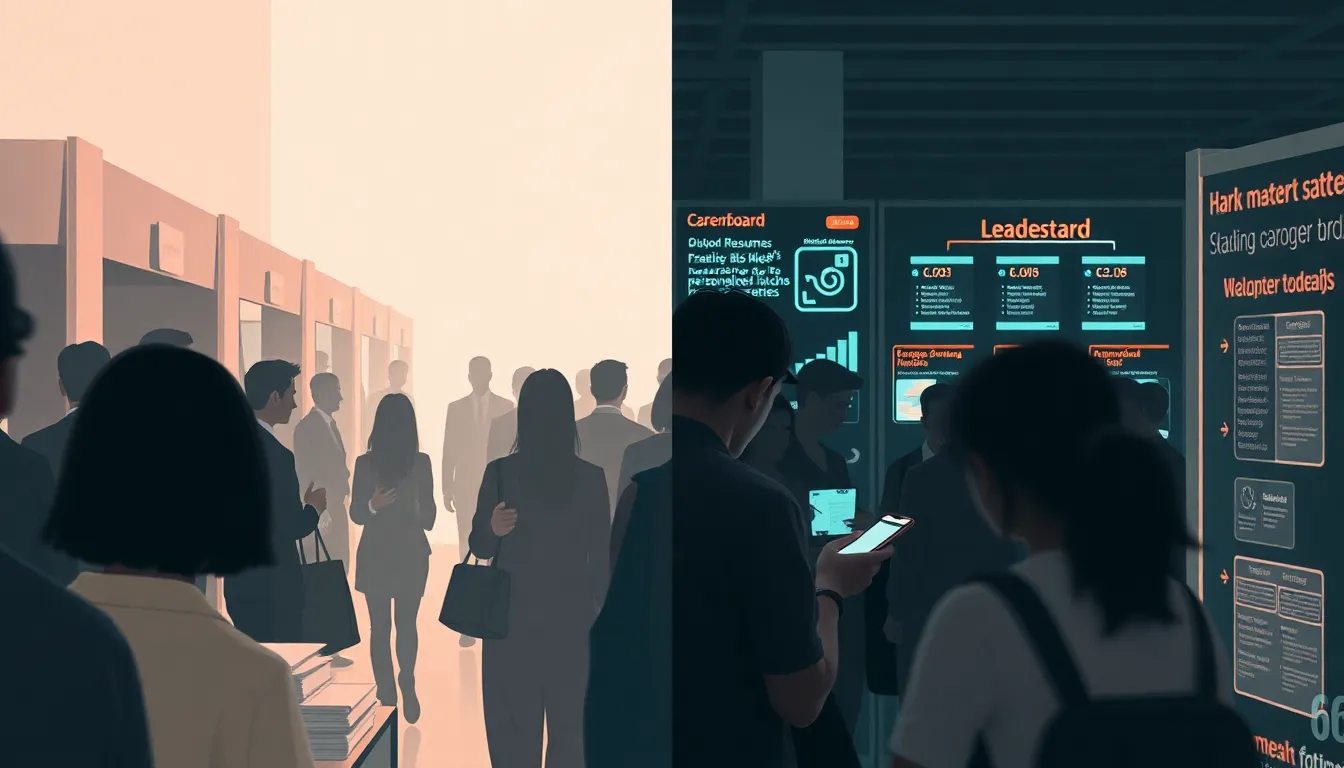
Career fairs represent a massive investment for both employers and job seekers. Companies spend thousands on booth space, travel, and staff time, while candidates invest precious hours navigating crowded halls hoping to make the right connections. Yet traditional career fairs often feel like organized chaos—long lines at popular booths, missed connections with ideal matches, and countless resumes handed out to recruiters who may never follow up.
The good news? The career fair model is undergoing a fundamental transformation. In 2026, the most successful recruitment events are leveraging AI-powered matching, digital networking platforms, and gamified engagement to ensure candidates connect with the right employers—and vice versa. The results speak for themselves, with some organizations reporting dramatically higher conversion rates and more meaningful relationships emerging from these modernized events.
The Problem with Traditional Career Fair Networking
Walk into any conventional career fair and you'll witness a familiar scene: candidates clutching stacks of resumes, forming long queues at the most recognizable company booths, while niche employers with potentially perfect opportunities sit underutilized in less trafficked corners. This inefficiency hurts everyone involved.
For candidates, the traditional approach means:
- Wasting time in lines for companies that may not even have relevant openings
- Missing smaller employers who could offer better cultural or role fit
- Struggling to differentiate themselves in brief, rushed conversations
- Limited ability to research companies beforehand or prepare targeted questions
- No clear follow-up mechanism beyond handing over a paper resume
For employers and recruiters, the challenges are equally frustrating:
- Spending hours talking to unqualified or poorly matched candidates
- Collecting hundreds of resumes without context or prioritization
- Difficulty identifying and tracking high-potential candidates in the chaos
- Minimal pre-event visibility into who will actually attend
- Poor ROI measurement and no data on booth traffic patterns or engagement quality
These inefficiencies result in suboptimal outcomes. Cold networking methods like traditional career fair interactions have historically struggled with low conversion rates. The spray-and-pray approach simply doesn't serve anyone well in an era where both job seekers and employers expect personalized, data-driven experiences.
The Data Behind Intelligent Matchmaking
The shift toward intelligent candidate-to-booth matching isn't just theoretical—it's backed by compelling data from recent industry research. A 2025 industry analysis found that meeting acceptance rates at events using digital matchmaking platforms hovered around 40%, dramatically outperforming other business connection methods such as cold calling with approximately 2% acceptance rates. This represents a 20-fold improvement in connection quality.
Even more impressive, events using AI matchmaking in 2025 reported up to 94% meeting attendance rates for scheduled meetings, compared with approximately 30% attendance using traditional networking methods. When candidates and employers are intelligently matched based on skills, interests, and mutual fit, both parties actually show up and engage meaningfully.
According to the Global Event Technology Institute, 78% of major conferences were projected to integrate AI-powered attendee matching by the end of 2025—a clear signal that the industry recognizes the value of this technology. A 2025 study by the Event AI Research Consortium found that AI-matched connections have a 73% higher likelihood of resulting in meaningful business relationships compared to random networking, with some large enterprises reporting up to 340% increases in qualified leads when using advanced AI networking at their events.
The mobile-first nature of these solutions has proven critical to adoption. Market research on event networking and matchmaking platforms reported that mobile applications accounted for 54.1% of the worldwide event networking and matchmaking platform market in 2025, generating about USD 335.63 million in revenue, with trade shows and exhibitions representing 44.4% of event-type share. Career fairs, as specialized recruitment-focused trade events, sit squarely in this growth category.
Looking at 2026 data, a recent analysis of digital transformation in the event industry reported attendee engagement via apps rose 60% and was associated with a 35% increase in repeat attendance. For career fair organizers, this means candidates who have positive, technology-enhanced experiences are significantly more likely to return to future events—building your event's reputation and value over time.
Building an Effective Pre-Event Matching System
The foundation of an efficient career fair starts weeks before the actual event. Pre-event candidate-to-booth matching transforms the attendee experience from random wandering to strategic networking with clear objectives.
Profile Creation and Skills Mapping
The first step is capturing detailed information from both candidates and employers. Candidate profiles should include:
- Skills and competencies (both technical and soft skills)
- Career interests and target roles
- Industry preferences and deal-breakers
- Experience level and educational background
- Geographic flexibility and work arrangement preferences
- Portfolio links, LinkedIn profiles, or other relevant materials
Employer profiles should mirror this detail with information about:
- Specific open positions and required qualifications
- Company culture, values, and work environment
- Career development and advancement opportunities
- Benefits, compensation ranges, and unique perks
- Team structures and reporting relationships
The richer the profile data, the more accurate the matching algorithms can be. Consider gamifying the profile completion process—award points or leaderboard placement for candidates who complete comprehensive profiles, upload portfolios, or answer thoughtful questions about their career goals. This creates an early engagement touchpoint while ensuring you have the data needed for quality matching.
Algorithmic Matching and Recommendation Engines
Once profiles are complete, intelligent algorithms can analyze compatibility across multiple dimensions. The most sophisticated systems go beyond simple keyword matching to evaluate:
- Skills overlap between candidate capabilities and role requirements
- Cultural fit indicators based on values alignment
- Career trajectory compatibility (does the role offer appropriate growth?)
- Logistical feasibility (location, work arrangement, timeline)
- Mutual interest signals (candidates and employers can "favorite" each other)
The system should surface top matches for both candidates and employers, complete with compatibility scores and specific reasons for the recommendation. For example: "95% match: Your Python and machine learning skills align perfectly with DataCorp's open ML Engineer role. Your interest in healthcare technology matches their industry focus."
Scheduled Appointments vs. Suggested Visits
Different career fair formats call for different matching approaches. Some events facilitate pre-scheduled one-on-one appointments, essentially turning the career fair into a day of back-to-back interviews. This works well for senior-level recruiting or specialized technical roles where both parties want dedicated time.
For larger, more fluid career fairs, a "suggested visit" approach may work better—candidates receive a personalized list of recommended booths ranked by fit, along with suggested talking points and prep materials. They retain freedom to explore, but now they're equipped with data-driven guidance rather than wandering aimlessly.
The hybrid approach combines both: candidates book firm appointments with their top three matches, then receive a prioritized list of additional booths to visit during open exploration time.
Day-of Event Technology and Engagement Tools
Pre-event matching sets the stage, but day-of technology determines whether candidates and employers actually capitalize on those connections. The right tools make it easy to find matched booths, track interactions, and maintain engagement throughout the event.
Mobile Event Apps with Real-Time Navigation
A robust mobile event app serves as command center for career fair attendees. Key features include:
- Interactive floor maps with booth locations highlighted
- Personalized match lists with navigation assistance
- Real-time wait time estimates for popular booths
- Ability to check in at booths and track visited employers
- In-app messaging for following up with recruiters met
- Session and workshop schedules (for career fairs with educational programming)
The app should integrate seamlessly with your matching algorithm, pushing notifications when candidates are near a highly matched booth or when a scheduled appointment is approaching. You can see how interactive event navigation works in action through platforms designed specifically for this type of attendee guidance.
QR Code Check-Ins and Digital Stamp Collection
Replace paper resume collection with QR code-based check-ins. When candidates visit a booth, they scan a unique QR code that:
- Instantly shares their digital profile with the recruiter
- Records the interaction in both the candidate's and employer's dashboard
- Awards the candidate a "stamp" or badge for visiting that employer
- Enables the recruiter to add private notes and ratings immediately
This digital stamp collection can be gamified into a passport-style experience. Candidates who collect stamps from all their matched employers, or from a certain number of total booths, earn rewards—priority access to follow-up interviews, entry into prize drawings, or exclusive invitations to post-event networking sessions.
For recruiters, this eliminates the chaos of paper resume management. All candidate information is immediately digitized, tagged with booth visit timestamps, and available for filtering and sorting. Recruiters can quickly pull up everyone who visited their booth, review profiles side-by-side, and identify top prospects for immediate follow-up.
Live Leaderboards and Engagement Metrics
Display live leaderboards throughout the venue showcasing candidates who are most actively networking (measured by booth visits, profile completeness, session attendance, or other engagement metrics). This creates healthy competition and motivates attendees to maximize their time at the event rather than leaving early or spending extended periods on their phones.
For employers, provide real-time analytics dashboards showing:
- Total booth traffic and unique visitor counts
- Quality metrics (how many visitors were highly matched vs. exploratory?)
- Engagement depth (average conversation length, follow-up requests)
- Conversion tracking (how many candidates advanced to next interview stages?)
These metrics help recruiters adjust their approach mid-event. If a booth is getting low traffic despite high-quality matches, perhaps the booth location needs adjustment or the company needs more prominent visibility in the app. If traffic is high but quality is low, maybe the company profile needs refinement to set clearer expectations.
Post-Event Follow-Up and Relationship Management
The career fair doesn't end when the venue doors close. In fact, what happens in the days and weeks following the event often determines actual hiring outcomes. Intelligent matching systems should facilitate seamless post-event relationship management.
Automated Connection Requests and Next Steps
Within 24 hours of the event, the system should automatically facilitate connection requests between candidates and recruiters who expressed mutual interest (through booth visits, in-app favorites, or scheduled meetings). These aren't generic "thanks for attending" emails—they're personalized messages referencing specific conversations and next steps.
For example: "Hi Jessica, it was great meeting you at the TechTalent Career Fair yesterday. I really enjoyed our conversation about your mobile app development work. As discussed, I'd like to schedule a follow-up technical interview with our engineering team. Here are three time slots that work on our end..."
Feedback Loops and Match Quality Improvement
Post-event surveys should ask both candidates and employers to rate the quality of their matches and overall experience. Questions might include:
- How relevant were your top recommended employers/candidates? (1-5 scale)
- Which matches led to meaningful conversations or next steps?
- Were there any employers/candidates you wish you'd been matched with but weren't?
- How can we improve the matching algorithm for future events?
This feedback creates a continuous improvement loop. Machine learning algorithms can analyze which profile attributes and matching criteria actually predicted successful connections, then refine future recommendations accordingly. Over time, your career fair becomes progressively more efficient as the system learns what makes a quality match for your specific industry, company types, and candidate pool.
Long-Term Relationship Building
Not every career fair connection results in an immediate hire—and that's okay. The best systems maintain relationships over time. Candidates who didn't find the right fit this time can opt into notifications about future events or relevant new job postings from employers they connected with. Employers can build talent pipelines, keeping promising candidates warm for when appropriate openings emerge.
This transforms your career fair from a one-off transaction into an ongoing talent marketplace where relationships compound over multiple events and interactions.
Integrating Gamification and Sponsor Visibility
Career fairs often include sponsors beyond the recruiting employers—event technology vendors, professional development companies, career coaching services, or industry associations. Intelligent matchmaking shouldn't ignore these valuable participants.
Sponsor Challenges and Educational Content
Create sponsor-driven challenges that add value for candidates while delivering visibility for sponsors. For example:
- A resume review service sponsors a "Perfect Your Resume" challenge where candidates upload resumes and earn points for completing a profile review
- A professional certification program offers a mini skills assessment; candidates who complete it get personalized course recommendations
- An industry association provides a "Future of [Industry]" quiz; top scorers earn prizes and are featured on leaderboards
These activities keep candidates engaged during downtime between booth visits, provide educational value, and ensure sponsors receive meaningful interactions rather than just passive booth traffic.
Multi-Track Engagement Systems
The full feature set of modern event engagement platforms enables you to run parallel engagement tracks simultaneously—candidate-to-employer matching, educational workshop attendance, sponsor challenges, and networking activities—all integrated into a single gamified experience with unified leaderboards and rewards.
Candidates earn points for completing their matched employer visits, attending skill-building workshops, participating in sponsor activities, and connecting with fellow job seekers. This holistic engagement approach maximizes the value attendees extract from your event while providing rich data about what drives participation and satisfaction.
Practical Implementation Steps for Organizers
Ready to transform your next career fair with intelligent matching? Here's a practical roadmap:
8-12 Weeks Before Event
- Select and configure your event technology platform with matching capabilities
- Work with employer participants to create detailed company and role profiles
- Design your matching algorithm parameters (which factors matter most for your audience?)
- Set up gamification elements: point systems, leaderboards, rewards
- Create marketing materials explaining the matching system benefits to potential attendees
4-6 Weeks Before Event
- Launch registration with required candidate profile completion
- Gamify profile building—award early-bird points, profile completion bonuses
- Provide profile-building support (templates, examples, tips for standing out)
- Begin running preliminary matches and notifying candidates of top prospects
2-3 Weeks Before Event
- Release final match recommendations to all participants
- Enable appointment scheduling for structured interview formats
- Send pre-event prep guides to candidates (suggested talking points, company research)
- Provide employers with matched candidate lists and profiles
- Launch mobile app and encourage downloads with app-exclusive content or early access
Week of Event
- Send daily countdown emails with event tips and match highlights
- Conduct tech checks with employer booth staff (QR code scanning, profile access)
- Finalize leaderboard displays and prize distribution plans
- Prepare real-time analytics dashboards for organizers and exhibitors
Day of Event
- Staff a tech help desk for troubleshooting app issues or matching questions
- Monitor engagement analytics and adjust as needed (promote under-visited booths, manage crowding)
- Keep leaderboards updated and announce leaders periodically to drive engagement
- Capture success stories and testimonials from candidates and recruiters
Post-Event (Within 1 Week)
- Facilitate automated follow-up connections between mutual matches
- Distribute post-event surveys to all participants
- Analyze match quality data and conversion metrics
- Provide employers with detailed analytics reports and qualified candidate lists
- Award final prizes and recognize top-engaged candidates
- Document lessons learned and algorithm improvements for next event
Measuring Success and ROI
How do you know if your intelligent matching system is actually working? Track these key metrics:
For Candidates:
- Average number of matched booths visited vs. total booths visited
- Percentage of candidates who reported "very relevant" or "relevant" matches
- Number of follow-up interviews or job offers resulting from fair connections
- Candidate satisfaction scores and likelihood to recommend the event
- Repeat attendance rates at subsequent career fairs
For Employers:
- Percentage of booth visitors who were high-quality matches (vs. exploratory)
- Number of qualified candidates added to talent pipeline or advanced to interviews
- Cost-per-qualified-candidate compared to other recruiting channels
- Employer satisfaction scores and likelihood to participate in future events
- Actual hires made within 90 days traceable to the career fair
For Event Organizers:
- Overall attendance and booth traffic patterns
- App adoption rate and active usage during event
- Average booth visits per candidate (indicates efficient routing)
- Engagement metrics (stamps collected, leaderboard participation, content views)
- Sponsor satisfaction and renewal rates
A 2026 report on AI in events found that matchmaking tools account for 5% of AI tool usage among event professionals, with broader AI adoption concentrated in agencies (25%) and brands/corporates (24%). While matchmaking remains a specialized application, the events that implement it effectively see outsized returns—it's a differentiator that drives both attendee and exhibitor satisfaction.
The Future of Career Fair Efficiency
Career fairs that embrace intelligent candidate-to-booth matching aren't just more efficient—they're fundamentally more valuable for everyone involved. Candidates spend less time wandering and more time having meaningful conversations with employers who actually want their skills. Recruiters waste less time on poor-fit candidates and build stronger pipelines of qualified prospects. Event organizers deliver measurably better outcomes, commanding higher booth fees and attracting top-tier participants.
The data is clear: AI-powered matching, mobile-first event apps, and gamified engagement aren't futuristic concepts—they're proven tools driving real results in 2026. The question isn't whether to modernize your career fair, but how quickly you can implement these systems to stay competitive.
If you're ready to transform your next recruitment event from chaotic resume exchange to strategic talent marketplace, explore how purpose-built event engagement platforms can help. The combination of smart matchmaking, QR code passport systems, live leaderboards, and comprehensive analytics creates the efficient, engaging, and results-driven career fair experience that modern candidates and employers expect.
Your attendees are ready for a better career fair experience. The technology is proven. The only question left is: will your next event lead the way, or fall behind?