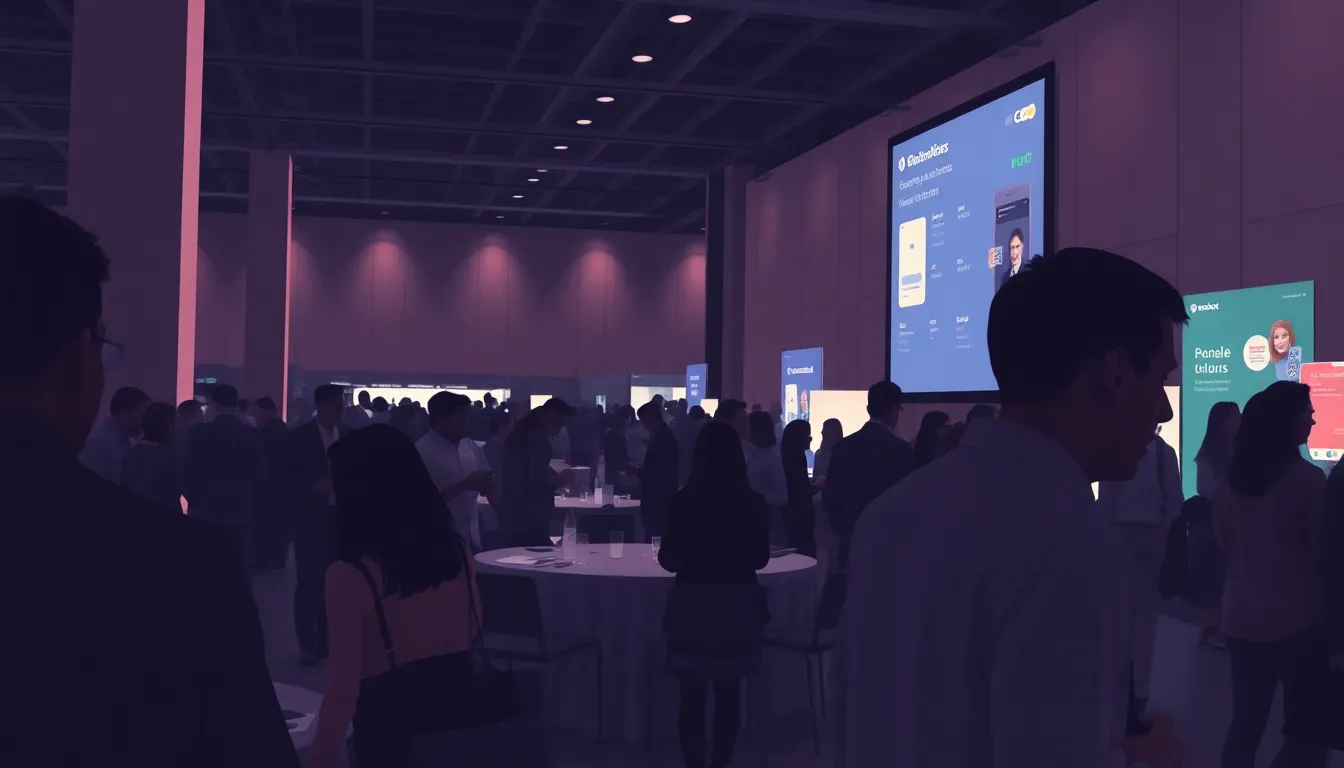
In-person events are back in full force, and they're driving measurable business results. A 2026 study from InEvent found that 90.4% of respondents considered in-person events very important, 78% identified in-person as the most impactful format, 66% said in-person events drove their strongest revenue, and 52% attributed at least half of closed-won deals to in-person events. The format is no longer bouncing back from pandemic disruption; it's the dominant strategic channel for most event teams.
Those numbers reinforce what many organizers already know from experience: when your audience gathers in the same room, engagement compounds, deals close faster, and brand impressions last longer. Yet many event platforms still reflect a different era. Bizzabo and Hopin both rose to prominence during the pivot to virtual, and while they've added or expanded in-person features, their architecture, pricing, and feature emphasis often reflect hybrid or virtual-first priorities. That mismatch creates friction for teams whose calendar is filled with conferences, trade shows, and summits that happen entirely on-site.
Why Virtual-First Platforms Feel Wrong for In-Person Events
Platforms designed for virtual or hybrid events typically bundle streaming infrastructure, webinar tools, broadcast studios, and backstage controls. Those components add complexity and cost, even when you never use them. A typical package might include live-captioning integrations, virtual breakout rooms, on-demand video libraries, and multi-language simulcast settings. Every one of those features requires engineering support, customer-success onboarding, and license overhead, which flows into the pricing model regardless of whether your event happens in a ballroom or online.
For organizers running quarterly user conferences, annual trade shows, or regional roadshow stops, those virtual capabilities become expensive shelf-ware. You're paying for broadcast encoding when all you need is a mobile app, a registration form, and a way to track who walked through the door. The administrative interface reflects that same mismatch: dashboards are organized around session recordings, viewer drop-off rates, and chat-moderation queues rather than floor maps, staffed entry gates, and on-site engagement metrics.
Contract structure often reinforces the problem. Many virtual-first platforms price per event or per broadcast session, which makes sense if you're hosting a monthly webinar series but penalizes teams that run frequent in-person gatherings. A roadshow that stops in eight cities over three months can trigger eight separate event fees, even though the attendee experience and content remain nearly identical across locations.
What In-Person-First Organizers Actually Need
When your event happens face-to-face, your platform requirements shift. Streaming quality and virtual breakout rooms drop off the priority list, replaced by tools that help attendees navigate a physical venue, connect with each other in real time, and engage with sponsors and exhibitors on the floor.
Registration That Reflects Real Attendance Patterns
In-person registration carries different dynamics than webinar sign-ups. Attendees commit days or weeks in advance, arrange travel, and expect confirmation emails with venue details and logistical instructions. Your registration system needs to support ticket types with different access levels, early-bird deadlines, group discounts, and waitlist management when sessions reach capacity. It also needs to handle paid tickets with transparent processing fees, because even a modest per-ticket markup compounds quickly across a 500-person conference.
Door Entry That Moves People Through Quickly
Getting a few hundred people through the door in the first thirty minutes of your event requires a system built for speed and offline reliability. Staff at the entry gate need to look up registrants by name, scan QR codes from confirmation emails, flag duplicate entries, and handle walk-up registrations without waiting for a server round-trip. Admission workflows should support multiple gates, staggered entry windows, and re-entry policies without creating bottlenecks or requiring a dedicated IT team on-site.
Mobile Engagement That Works Without WiFi
Conference WiFi is notoriously unreliable, especially during peak session transitions when hundreds of attendees are moving between rooms. A dependable in-person event app must function offline or with intermittent connectivity, caching schedules, maps, and attendee profiles locally. Core features like viewing the agenda, scanning QR codes at sponsor booths, and collecting digital stamps should never depend on a live internet connection.
On-Site Interaction Between Attendees
Face-to-face events create opportunities for spontaneous conversations, but those moments are often lost because attendees lack an easy way to reconnect after a brief hallway chat. Purpose-built networking tools let attendees browse profiles, filter by role or interest, exchange contact details with a QR scan, and request follow-up meetings without juggling business cards or relying on LinkedIn searches in a crowded lobby.
Sponsor Activation Beyond Static Booths
Sponsors expect measurable ROI from their booth investment, which means they need more than a listing in your program guide. Effective sponsor tools provide branded profiles in the event app, trackable offers or giveaways that attendees can claim digitally, and lead data that includes attendee contact information and engagement timestamps. When a sponsor can see exactly who interacted with their content and when, they're far more likely to renew for your next event.
Analytics That Reflect Physical Engagement
Virtual platforms measure video watch time and click-through rates. In-person platforms need to measure foot traffic, session attendance, sponsor-booth visits, and on-site gamification participation. According to EventsAir's 2026 research, 83% of event professionals used attendance as a core success metric, while 82% prioritized attendee feedback as an equally critical measure. Your analytics dashboard should answer questions like which sessions filled to capacity, how many attendees visited every sponsor booth, and when entry gate traffic peaked, not how many people unmuted their microphone during a Q&A segment.
How Bizzabo and Hopin Approach In-Person Features
Both platforms have invested in expanding their in-person capabilities over the past two years, but their origins still shape the product experience.
Bizzabo
Bizzabo launched as a networking-focused platform and later added robust virtual and hybrid infrastructure. Its in-person features include mobile apps, onsite check-in via QR codes, badge printing integrations, and attendee networking. The platform emphasizes a unified event-marketing suite, which can be valuable if you're running demand-generation campaigns alongside your events. However, that breadth comes with complexity: implementations often require onboarding support, and the pricing model typically reflects enterprise-scale budgets. For smaller teams or those running straightforward conferences without extensive marketing-automation needs, the feature set can feel like overkill.
Hopin
Hopin was born in the virtual-event boom and built its reputation on browser-based conferences and expo halls. The company has since introduced in-person and hybrid options through its acquisition of event-management tools, but the platform's core architecture remains optimized for online experiences. In-person capabilities exist within a broader suite that still includes virtual stages, networking lounges, and live-streaming controls. Teams focused exclusively on face-to-face events often find themselves navigating settings and modules designed for webinars or hybrid sessions they'll never use. Pricing tends to be structured per event, which can become expensive if you're hosting frequent regional or recurring programs.
What to Prioritize in an Alternative
If you're evaluating Bizzabo and Hopin alternatives, focus on the gaps that in-person-first platforms solve best. A strong candidate will deliver clear advantages in at least three areas: pricing transparency, mobile-first design, and engagement tools that work on the venue floor.
Transparent Pricing That Scales With Your Program
Look for platforms that separate their base subscription from per-ticket or per-attendee fees, and ensure every fee is disclosed upfront. Hidden charges for payment processing, customer support, or exceeding attendee thresholds erode trust and make it difficult to forecast event budgets accurately. The best models align cost with your actual usage rather than penalizing you for running multiple small events or experimenting with new formats.
Event Passport PRO uses a monthly subscription based on total attendee volume across all your events, with no per-event surcharge. If you sell paid tickets, the platform charges a $0.99 fee per ticket plus standard Stripe processing fees on the PRO plan. That structure rewards organizers who run frequent programs, because your second, fifth, or tenth event in a month carries no additional platform cost beyond the attendees it adds to your subscriber tier. For roadshows, multi-city tours, or teams hosting dozens of smaller gatherings each year, that model delivers substantial savings compared with per-event pricing.
A Mobile App Built for Offline Reliability
Attendees should be able to view the full agenda, read session descriptions, browse speaker bios, and check sponsor offers even when the venue WiFi fails. Core engagement features like QR-code scanning for gamification or contact exchange should work without connectivity, syncing data to the server once the device reconnects. Platforms that rely on live API calls for every interaction create frustration during peak traffic periods and leave attendees staring at loading spinners instead of engaging with your content.
Gamification That Drives Foot Traffic
Passive event apps get opened once to check the schedule and then forgotten. Gamification transforms the app into an active tool that attendees use throughout the day. The most effective implementations let attendees scan QR codes at sponsor booths, breakout sessions, or activation stations to collect unique digital stamps. A live leaderboard displays top participants, and stamp-based or rank-based prizes create friendly competition. Organizers report measurably higher booth visits, session attendance, and sponsor satisfaction when gamification is in play, because it turns exploration into a rewarding experience rather than a passive walk through the exhibit hall.
Networking Tools That Turn Proximity Into Relationships
In-person events bring people into the same space, but most attendees leave without connecting to everyone they should have met. Attendee-facing networking features should support profile browsing, interest-based filtering, and QR-based contact exchange that works instantly on the show floor. Advanced platforms now deploy multi-agent systems that can negotiate and book meetings on behalf of attendees, matching availability and preferences without manual calendar coordination. That level of automation turns accidental hallway introductions into structured follow-up conversations scheduled during open blocks in the event agenda.
The Migration Process: Moving Away From a Virtual-First Platform
Switching platforms mid-program can feel risky, but most in-person-first alternatives are designed for fast onboarding. Because the feature set is narrower and more focused, configuration typically takes days rather than weeks. You'll export your attendee list, session schedule, and sponsor content from your existing system, then import or rebuild it in your new platform.
Plan your migration around your event calendar. The best time to switch is immediately after a major event concludes, giving you several weeks or months to configure the new system, test the mobile app, and train your team before your next program launches. Avoid switching platforms in the two weeks leading up to an event unless your current vendor has created a crisis that makes delay impossible.
Most platforms offer a trial period or a free tier that lets you test core features with a limited attendee count. Use that window to validate the mobile app experience, test registration and admission flows, and confirm that reporting delivers the metrics you need. Invite a few colleagues or friendly attendees to download the app and provide feedback on navigation, speed, and offline functionality. Identify any gaps or confusing workflows before you commit to a full rollout.
Real-World Considerations for Multi-Event Teams
If your organization runs a portfolio of events rather than one flagship conference, your platform requirements shift. You need a system that can support multiple simultaneous events, each with its own branding, agenda, and attendee list, without requiring separate contracts or duplicated setup work. Some platforms treat every event as an isolated instance, forcing you to recreate sponsor profiles, session templates, and branding assets each time. Others let you define reusable content blocks, clone past events as starting points, and manage a full calendar from a unified dashboard.
Consider how your team collaborates on event planning. If you have multiple event managers or regional coordinators, you'll want role-based permissions, shared templates, and consistent reporting formats. Platforms designed for single-event teams often lack the organizational structure required to manage a complex program calendar, resulting in duplicated effort and inconsistent attendee experiences across events.
Looking Beyond the Obvious Alternatives
When organizers start searching for Bizzabo or Hopin alternatives, they often default to other enterprise event-management suites with similar breadth and complexity. Cvent, Splash, and Swoogo all offer in-person capabilities, but they also bundle extensive marketing automation, abstract management, housing and travel coordination, and other features that many teams don't need. That breadth drives up cost and learning curves.
The better strategy is to define your specific requirements first, then find the platform that delivers those capabilities without adding unnecessary layers. If your events are primarily in-person and your priority is attendee engagement, mobile reliability, and transparent pricing, a purpose-built solution will outperform a sprawling suite. You'll spend less time navigating settings you'll never use and more time refining the attendee experience that actually matters.
The most significant shift in the event-software landscape over the past two years has been the emergence of platforms that reject the all-in-one philosophy in favor of doing fewer things exceptionally well. These tools integrate with your existing CRM, email platform, and analytics stack rather than trying to replace them. That modularity reduces vendor lock-in and lets you swap components as your needs evolve without rebuilding your entire event-technology infrastructure.
Build Your Event Program Around What Actually Happens On-Site
The growth of in-person events shows no sign of slowing. Bizzabo's 2025 research found that 57% of organizers reported increased attendance at their in-person B2B conferences, summits, and conventions over the past year, up from 52% in 2024. EventsAir's 2026 survey revealed that 97.4% of event professionals rated in-person events as either very important or moderately important to their strategy, compared with 95.4% in 2025. Those numbers reflect a clear industry consensus: face-to-face gatherings are now the centerpiece of most event programs, not a supplementary tactic.
If your platform still feels like it was built for webinars and virtual expos, it's time to reevaluate. The right alternative will align costs with the way you actually run events, deliver a mobile app your attendees use throughout the day, and provide analytics that measure on-site engagement rather than video-streaming metrics. You shouldn't have to pay for broadcast infrastructure when your event happens in a convention center, and you shouldn't have to navigate hybrid-event settings when every attendee is standing in the same room.
Event Passport PRO was built specifically for in-person-first organizers who need registration, mobile engagement, gamification, networking, and sponsor activation without the complexity of virtual or hybrid infrastructure. Whether you're running a single annual conference or a year-round series of regional events, the platform's transparent pricing and attendee-volume subscription model make it easy to forecast costs and scale your program. Visit the Event Passport PRO pricing page to see how a purpose-built platform can support your in-person event strategy.